Benefits of Buying Microsoft Products in Nepal

Benefits of Buying Microsoft Products in Nepal with Microsoft Partner Nepal

is not just a matter of convenience but also of guaranteeing safety and quality. Opting for a reputable reseller lowers the risks of purchasing counterfeit or unauthorized products, preventing potential legal, security, and compatibility issues. Webtech Nepal will explore the advantages of buying from a trusted Microsoft reseller partner, highlighting product warranties, reliable technical support, professional advice, and the assurance of adhering to licensing compliance.

Purchasing Microsoft products from Webtech Nepal ensures genuine products, competitive pricing, technical expertise, license management, value-added services, and the convenience of a local presence. It provides peace of mind and a reliable source for all your Microsoft software needs.

Buying from a trusted Microsoft reseller partner in Nepal comes with several benefits. Here are some of them:

1. Authenticity and Genuine Products: Webtech Nepal, a trusted Microsoft reseller partner, ensures you receive genuine and authorized Microsoft products. They source their products directly from Microsoft, guaranteeing authenticity and eliminating concerns about counterfeit or pirated software.

2. Product Selection: Webtech Nepal, a Microsoft reseller partner, offers a wide range of products from Microsoft, including operating systems, office productivity suites, server software, cloud-based solutions, and more. Webtech can help you choose the right products based on your specific requirements and provide customized solutions.

3. Competitive Pricing: Webtech Nepal often offers competitive pricing for Microsoft products, as we have established partnerships with Microsoft. We can provide cost-effective solutions tailored to your budget, saving you money compared to purchasing directly from Microsoft.

4. Technical Expertise and Support: We are trained and knowledgeable about Microsoft products. Webtech Nepal can offer technical assistance, answer your queries, and guide you through purchasing. Additionally, we can provide after-sales support, troubleshooting, and any necessary product updates or upgrades.

5. License Management: Webtech Nepal can help manage your software licenses effectively. We can advise on the appropriate licensing programs for your organization or business. We can assist with license renewals, migrations, and compliance, ensuring you stay within the legal framework and avoid potential licensing issues.

6. Value-Added Services: Webtech Nepal offers value-added services, such as implementation support, training, and consulting. We can help you with the installation and configuration of Microsoft software, ensuring smooth deployment and optimal utilization of the products.

7. Local Presence: Choosing a trusted Microsoft reseller partner in Nepal ensures you have a local point of contact. This can be advantageous regarding communication, service delivery, and addressing regional requirements or challenges.

8. Enhanced Security: Trusted Microsoft resellers understand the importance of security, especially in today’s digital landscape. Webtech Nepal can guide the implementation of security measures and ensure your Microsoft software is up-to-date with the latest security patches and updates. This helps protect your systems and data from potential cyber threats.

9. Tailored Solutions: Webtech Nepal has in-depth knowledge of Microsoft’s product portfolio and can recommend solutions tailored to your needs. Whether you are an individual, small business, or enterprise, We can identify the most suitable Microsoft products and licensing options that align with your requirements and objectives.

10. Simplified Procurement: Partnering with a reseller simplifies the procurement process. We have established relationships with Microsoft and can streamline the ordering, delivery, and invoicing processes, making purchasing Microsoft products more efficient and hassle-free.

11. Access to Promotions and Special Offers: Reseller partners often have access to promotions, discounts, and special offers provided by Microsoft. They can inform you about these opportunities and help you take advantage of cost-saving initiatives, allowing you to maximize the value of your investment.

12. Knowledge Transfer and Training: Webtech Nepal can provide training and knowledge transfer sessions to assist you and your team effectively use Microsoft products. We can offer workshops, seminars, or online resources to enhance your understanding and utilization of the software, improving productivity and efficiency.

13. Strategic Partner for Business Growth: Webtech Nepal can be a valuable strategic partner for your business growth. We can advise you on leveraging Microsoft technology to optimize operations, enhance collaboration, and drive innovation. Our insights and expertise can contribute to your long-term success and digital transformation journey.

14. Strong Relationship with Microsoft: Established reseller partners developing solid relationships with Microsoft. This lets them stay updated on the latest product advancements, roadmap, and developments. By aligning with a trusted reseller partner, you can gain insights into upcoming releases, feature updates, and new solutions, keeping you ahead of the curve in technology adoption.

In conclusion, buying from a trusted Microsoft reseller partner in Nepal provides various benefits, including enhanced security, tailored solutions, simplified procurement, promotion access, knowledge transfer, and guidance for business growth. It’s a reliable and convenient way to acquire Microsoft products and leverage their full potential.
Buy Microsoft 365 Plans from the Trusted Microsoft Reseller Partner in Nepal

Microsoft 365 is a powerful solution that empowers organizations to enhance productivity, promote collaboration, and embrace the benefits of the cloud. While purchasing Microsoft 365 plans in Nepal, partnering with a trusted Microsoft Reseller is essential. Webtech Nepal is a Trusted Microsoft Reseller Partner in Nepal that brings expertise, competitive pricing, and dedicated customer support and ensures the authenticity of your licenses. Choose Webtech Nepal, a trustworthy , to provide a smooth purchasing experience and ongoing support for your Microsoft 365 journey.

In today’s technology-driven world, businesses of all sizes rely heavily on efficient communication, collaboration, and productivity tools. Microsoft 365 has emerged as a leading solution that combines the power of familiar Microsoft Office applications with cloud-based services, enabling users to work effectively from anywhere in the world. Suppose you are based in Nepal and looking to purchase Microsoft 365 plans. In that case, seeking a trusted Microsoft Reseller Partner is essential to ensure a seamless purchasing experience and reliable customer support.

Why Choose Microsoft 365 Business?

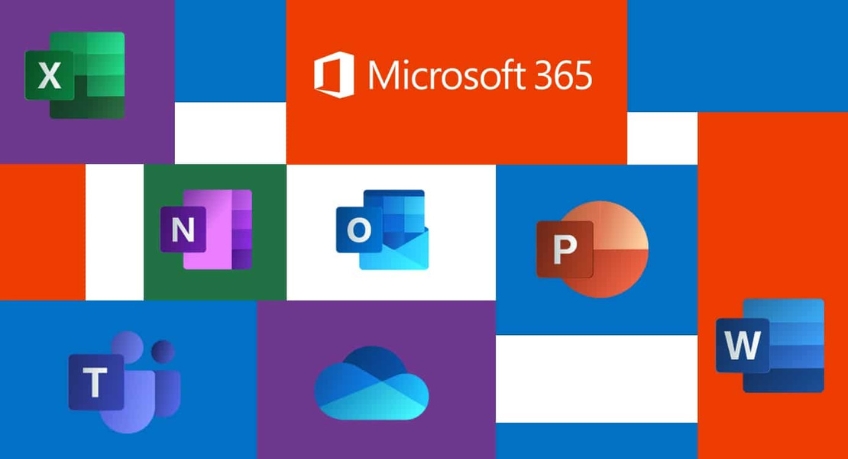
Microsoft 365 offers a comprehensive suite of cloud-based applications and services that cater to the diverse needs of both individuals and businesses. With Microsoft 365 Business Plan, users can access familiar tools like Word, Excel, PowerPoint, and Outlook, along with a host of other collaboration and communication tools such as Teams and OneDrive.

Here are some key reasons why Microsoft 365 is a preferred choice for organizations:

1. Productivity and Collaboration: Microsoft 365 provides tools that enhance productivity and enable seamless collaboration among team members. It offers real-time co-authoring, file sharing, and integration across various services, enabling teams to work together efficiently.

2. Cloud-Based Accessibility: With Microsoft 365’s cloud-based approach, users can access their files and applications from any device with an internet connection. This flexibility allows users to work remotely, whether traveling or working from home.

3. Enhanced Security: Microsoft takes security seriously and integrates advanced security features into the Microsoft 365 suite. These measures include data encryption, multi-factor authentication, and built-in compliance capabilities, which help protect sensitive information and ensure regulatory compliance.

Choosing a Trusted Microsoft Reseller Partner in Nepal:

When it comes to purchasing Microsoft 365, it is crucial to choose a reliable Microsoft Reseller Partner in Nepal. Here’s why:

1. Expert Knowledge: Trusted Microsoft Reseller Partners possess in-depth knowledge and expertise about Microsoft products and licensing. They can guide you in selecting the most suitable Microsoft 365 plan based on your requirements.

2. Competitive Pricing: Authorized Microsoft Resellers offer competitive pricing, ensuring you get the best value for your investment. They can provide subscription-based pricing options, allowing you to choose the most cost-effective plan for your organization.

3. Dedicated Customer Support: Working with a reputable Microsoft Reseller Partner ensures access to dedicated customer support. They understand the complexities of Microsoft licensing and can assist with any licensing or technical issues, providing prompt resolutions.

4. Genuine Licensing: Purchasing through trusted Microsoft Reseller Partners ensures you receive genuine Microsoft licenses. This helps protect your organization from the risks of counterfeit or unauthorized software.

Boost Employee Performance with a Learning Management System

A well-designed Learning Management System (LMS) is essential for any organization that wants to improve employee productivity and streamline onboarding. By providing a structured and organized approach to learning, the LMS can help employees quickly acquire the knowledge and skills they need to perform their job responsibilities effectively. The LMS can also help managers track employee progress and identify areas where additional training may be required.

One aspect that highlights the importance of employee performance is its direct link to organizational profitability. Research has consistently shown that companies with high-performing employees have higher profit margins than those with low-performing ones. This is because high-performing employees are often more efficient, produce better quality work, and possess more vital problem-solving skills – all factors that directly impact financial gains for an organization.

Moreover, strong employee performance can also lead to increased employee satisfaction and retention rates. When individuals feel valued and recognized for their contributions, they are more likely to remain committed to their work and stay motivated to perform at a high level. This also has a positive ripple effect on team dynamics; when one employee performs well, it inspires others to step up their game too. Ultimately, this leads to a more productive workforce as a whole.

In conclusion, understanding the importance of employee performance is crucial for any organization’s success. By prioritizing and investing in strategies that support high-performance levels among employees – such as utilizing learning management systems – businesses can expect significant improvements in productivity, profitability, and employee satisfaction levels.

What is a Learning Management System?

A Learning Management System (LMS) is a powerful tool that enhances employee learning and development within an organization. It is a centralized platform for delivering, tracking, and managing training programs. Gone are the days of manual tracking spreadsheets or inconvenient in-person training. With an LMS, companies can easily create and deliver engaging online courses that cater to the needs of their employees.

One key advantage of the Learning Management System (LMS ) is its ability to track and monitor learner progress. This feature allows organizations to ensure that their employees complete required training while providing valuable insights into individual performance. By analyzing data on completion rates, assessment scores, and learner feedback, managers can identify areas for improvement and implement targeted strategies to boost employee performance.

A Learning Management System (LMS) promotes continuous learning by offering a variety of content formats, such as videos, documents, quizzes, and interactive simulations. This enables employees to engage with information in ways that best suit their learning styles. Additionally, some advanced LMS platforms provide personalized recommendations based on previous learning activities or job requirements – allowing employees to focus on areas that need attention while making the most efficient use of their time.

A Learning Management System (LMS) is another technology solution and a catalyst for driving employee development and enhancing overall organizational performance. By leveraging the capabilities of an LMS to deliver engaging training content tailored to individual needs, companies can foster continuous learning among their workforce at scale.

Benefits of Implementing a Learning Management System

Implementing a learning management system (LMS) can benefit companies looking to boost employee performance. One key advantage is the ability to provide consistent and standardized training across the organization. With an LMS, companies can ensure that employees receive uniform information and knowledge on various subjects, eliminating discrepancies or gaps in their learning experience. LMS enhances their skills and creates a sense of equality among employees.

Another benefit of using an LMS is its flexibility regarding learning styles. Traditional training methods often cater to a specific type of learner, leaving others behind. However, with an LMS, companies can incorporate different types of content, such as videos, audio files, quizzes, and interactive modules, which accommodate diverse learning preferences.

Organizations can engage learners more effectively and increase knowledge retention by tailoring the training materials to fit various styles.
Furthermore, implementing an LMS lets companies easily track and measure employees’ progress. Using analytics and reporting tools offered by most modern LMS platforms, we can gather data on employee performance during training sessions, such as completion rates and scores on assessments or evaluations. Managers can then use this data to identify further support or improvement areas and make informed decisions regarding employee development initiatives.

Implementing Learning Management systems brings numerous advantages over traditional training methods that will undoubtedly foster improved employee performance within organizations.

How to Choose the Right Learning Management System

When choosing the right Learning Management System (LMS) for your organization, one of the most critical factors is the ease of use. Employees should be able to navigate through the platform effortlessly and access the information they need with minimal effort. Look for an LMS with a user-friendly interface and intuitive features that can be easily understood by tech-savvy employees and those less comfortable with technology.

Additionally, it’s essential to choose an LMS that aligns with your organization’s specific training needs. Consider what content you will deliver and how you want it presented. Some LMS platforms offer various formats, such as videos, interactive quizzes, or e-books, which can make learning more engaging and effective. Furthermore, look for an LMS that allows customization so that you can tailor the system to fit your organization’s unique requirements.

Finally, remember compatibility and integration capabilities when selecting an LMS. Ensure that your chosen system can integrate smoothly with other software applications used in your organization, such as HRIS or CRM systems. This seamless integration will allow for efficient data transfer between platforms and streamline administrative tasks, saving time and effort for both employees and administrators.

By prioritizing ease of use, aligning with specific training needs, and ensuring compatibility and integration capabilities when choosing an LMS, organizations can boost employee performance effectively while setting themselves up for long-term success in their learning initiatives.

Best Practices for Using a Learning Management System

One of the best practices for using a learning management system (LMS) is to create engaging and interactive content. Gone are the days of simply uploading static PDFs and calling it an online course. Organizations should leverage the technology in an LMS to boost employee performance and create dynamic and immersive learning experiences. Incorporating videos, quizzes, simulations, and gamification can make learning fun and engaging for employees, increasing knowledge retention and application in the workplace.

Another important best practice is to assess and evaluate the effectiveness of your LMS regularly. Tracking completion rates, assessment scores, and learner feedback can provide valuable insights into how well your training programs work. This data can help identify areas for improvement or gaps in knowledge that must be addressed. You can make data-driven decisions to enhance your training initiatives by continuously evaluating your LMS’s impact on employee performance.

Furthermore, providing ongoing support and resources for learners is key to maximizing the benefits of an LMS. Employees should have access to a helpdesk or support forum to ask questions or troubleshoot issues they may encounter while using the system. Additionally, creating a repository of additional resources such as job aids, reference materials, or further reading materials can help reinforce learning even after completing a course. By offering ongoing support and resources within your LMS framework, you empower employees to take control of their development journey – leading to improved performance outcomes.

Conclusion: Maximizing Employee Performance through Continuous Learning

In conclusion, continuous learning plays a crucial role in maximizing employee performance. By investing in a learning management system (LMS), organizations can provide employees with access to training materials and resources anytime, anywhere. This flexibility allows individuals to learn at their own pace and engage with the content in a way that suits their learning styles.

Not only does continuous learning improve employee knowledge and skills, but it also fosters a culture of growth and development within the organization. When employees feel supported and encouraged to expand their capabilities continually, they become more engaged and motivated. This leads to higher productivity levels and ultimately drives business success.

Furthermore, utilizing an LMS enables organizations to track employee progress and identify areas where additional support may be needed. Employers can tailor future learning experiences to address specific knowledge gaps or skill deficiencies by regularly assessing employee performance through quizzes or assessments embedded within the platform.

Overall, implementing a comprehensive learning management system is essential for organizations seeking to maximize employee performance. Employees are empowered to enhance their skills and stay up-to-date with industry trends through continuous learning opportunities.

Additionally, this investment demonstrates a commitment from leadership toward fostering an environment of professional growth – leading to improved employee engagement levels. By embracing lifelong learning as an organizational priority, companies set themselves up for continued success in today’s ever-evolving business landscape.

10 Essentials Features of Learning Management System

A Learning Management System (LMS) is a software application that facilitates the management, delivery, and tracking of educational courses and training programs. LMS platforms are widely used in schools, universities, corporations, and other organizations to deliver and manage online learning experiences.

However, not all Learning Management System platforms are created equal. A good LMS encompasses many features designed to simplify administration, engage learners, and deliver effective educational content. In this article, we will explore some of the essential features of a Learning Management System and discuss how a Learning Management System (LMS) contribute to effective teaching and learning in the modern era.

1. User-Friendly Interface:

An intuitive and user-friendly interface is crucial for both educators and learners. A good Learning Management System should have a well-organized and visually appealing interface that enables easy navigation, seamless content access, and a consistent user experience.

2. Course Creation and Management:

The capability to create, customize, and manage courses effortlessly is a fundamental feature of any Learning Management System. Look for features such as drag-and-drop editors, multimedia integration, assessment tools, and the ability to organize course materials in a structured manner.

3. Comprehensive Reporting and Analytics:

An Learning Management System should provide robust reporting and analytics functionalities to assess the learning process’s effectiveness. Detailed insights into learner performance, course completion rates, and participation data enable educators to make data-driven decisions and continuously improve their teaching methods.

4. Collaboration and Communication Tools:

Effective collaboration and communication tools are vital for fostering engagement and interaction within a virtual learning environment. Look for features like discussion forums, real-time chat, messaging, and group collaboration functionalities that encourage learner collaboration and support effective communication between learners and instructors.

5. Mobile Compatibility:

With the increasing popularity of mobile devices, having a Learning Management System compatible with various platforms and devices is essential. A good LMS should offer a responsive design that adapts to different screen sizes and ensures a seamless user experience on desktops, laptops, tablets, and smartphones.

6. Gamification and Interactive Features:

Gamification elements, such as badges, leader-boards, and rewards, can significantly enhance learner engagement and motivation. Additionally, interactive features like simulations, quizzes, and multimedia content transform traditional learning into an interactive and enjoyable experience.

7. Integration Capabilities:

A good Learning Management System should have integration capabilities with other educational tools and systems. The ability to seamlessly integrate with Student Information Systems (SIS), third-party content providers, video hosting platforms, and e-commerce systems can significantly enhance the overall functionality of the LMS and streamline administrative tasks.

8. Customization and Branding:

The ability to customize the Learning Management System to match an institution’s branding and specific requirements is a valuable feature. Look for a platform that allows you to customize the look and feel, add institution logos, customize learner dashboards, and tailor notifications to enhance the overall user experience.

9. Strong Security Measures:

Protecting learner data is a paramount concern, so a good LMS must prioritize security. Look for features such as data encryption, secure login protocols, role-based access controls, and regular security updates to ensure the highest level of protection for learners and instructors.

10. Ongoing Support and Updates:

Last but not least, a good Learning Management System should have a dedicated support team that provides timely assistance and addresses any technical issues that may arise. Regular updates and improvements to the platform also demonstrate the vendor’s commitment to continuous improvement and meeting user needs effectively.

Conclusion:

When selecting a Learning Management System(LMS), it’s important to consider a wide range of features that align with your institution’s needs and goals. A good LMS should provide a user-friendly interface, robust course creation and management tools, comprehensive reporting and analytics functionalities, collaboration and communication features, mobile compatibility, gamification options, seamless integration capabilities, customization options, strong security measures, and ongoing support and updates. Choosing the right Learning Management System(LMS ) with these features will pave the way for a practical online learning experience for educators and learners alike.

How Learning Management Systems Are Revolutionizing Education

Learning Management Systems (LMS) have revolutionized education in the digital age by providing a centralized platform for teachers and students to interact and collaborate. With LMS, educators can create and manage online courses, share resources, assign tasks, and track student progress. This eliminates the need for physical classrooms and traditional teaching methods, allowing flexible learning environments catering to individual student needs.

Learning Management Systems enables distance learning opportunities, breaking down geographical barriers and making education accessible to individuals without the means or opportunity otherwise. Students can access course materials at their own pace from anywhere with an internet connection, enabling them to fit their studies around work or other commitments. In addition, LMS provides a range of tools, such as discussion forums, chat functions, and video conferencing capabilities that facilitate communication between students and instructors.

Learning Management Systems have transformed education by harnessing technology to enhance teaching methods and accessibility. As technology advances, LMS will evolve further to meet the ever-changing needs of educators and learners in the digital age. The potential benefits of these systems are vast: increased engagement and collaboration among students, personalized learning experiences tailored to individual needs, and expanded educational opportunities worldwide – all contributing towards a more inclusive and effective educational landscape.

How Learning Management Systems Are Revolutionizing Education

Breaking Down Geographical Barriers:

Learning Management Systems have torn down geographical barriers, making education accessible to learners worldwide. Students can now enroll in courses from prestigious institutions regardless of their physical location, empowering learners in remote areas or those with mobility constraints to pursue quality education.

Personalized Learning Journeys:

LMS empowers educators to customize learning pathways based on individual student needs, learning styles, and performance levels. Adaptive learning algorithms analyze students’ progress and provide tailored content, ensuring each learner gets the support and challenges required for their unique growth.

Enhanced Collaboration and Interaction:

Traditional classrooms often limit collaborative opportunities, but LMS fosters seamless communication and collaboration among students, teachers, and peers. Discussion forums, virtual classrooms, and group projects facilitate meaningful interaction and knowledge exchange, fostering a vibrant learning community.

Rich Multimedia Content and Interactivity:

Learning Management Systems offer diverse multimedia resources like videos, interactive simulations, and gamified quizzes. These engaging elements capture students’ attention and cater to varied learning preferences, boosting comprehension and retention.

Real-time Assessment and Feedback:

Gone are the days of waiting for exams and assignments to be graded. LMS enables instant feedback and assessment, empowering students to promptly identify and address knowledge gaps. Educators can also use real-time data to adapt teaching methods for optimal learning outcomes.

Empowering Self-paced Learning:

Learning Management Systems allow students to learn at their own pace, ensuring no one gets left behind or held back. Students can revisit challenging concepts and accelerate through material they grasp quickly, promoting a deeper understanding of the subject matter.

Resource Centralization and Accessibility

LMS acts as a centralized repository for learning materials, eliminating the need for physical textbooks and course handouts. Learning Management System reduces costs and ensures learners have 24/7 access to study materials, enabling convenient and flexible learning.

Professional Development for Educators:

Educators benefit immensely from LMS by accessing professional development courses and collaborative platforms. These resources help instructors stay updated on the latest teaching methodologies, ed-tech tools, and subject matter expertise, enriching their teaching practices.

Data-Driven Decision Making:

Learning Management Systems generate valuable data on student performance, engagement levels, and learning patterns. Institutions can leverage this data to make informed decisions on curriculum design, instructional strategies, and resource allocation to enhance overall learning effectiveness.

Conclusion:

As the world evolves, so does education, and Learning Management Systems have emerged as the catalysts of this revolution. From promoting personalized learning journeys to breaking geographical barriers, LMS empowers educators and learners alike. As we embrace these transformative technologies, we set the stage for a future where education knows no bounds and allows individuals to unlock their full potential.

Why Choose Domain Registration Services in Nepal?

Choosing a domain registration services in Nepal can be one of the most important steps in establishing your brand or business online. A strong online presence is crucial for businesses and individuals in today’s digital age. In Nepal, the domain registration process may seem daunting initially, but it becomes straightforward with the proper knowledge and guidance. In this blog post, we will demystify domain registration in Nepal and provide you with a comprehensive guide to help you establish your online identity.

Choosing Domain Registration Services in Nepal offers several advantages and benefits. Here are some reasons why you should consider registering your domain with Webtech Nepal:

1. Local Expertise: As a domain registration service based in Nepal, Webtech Nepal have in-depth knowledge and understanding of the local market. We are familiar with the specific requirements and regulations related to domain registration in Nepal. Our expertise allows us to provide tailored solutions and guidance that meet the unique needs of businesses and individuals operating within the country.

2. Local Support: Webtech Nepal offer dedicated local support to our clients. Our customer service team is well-versed in the local language and culture, making it easier for you to communicate your requirements and receive prompt assistance. We understand the importance of personalized support and strive to provide a seamless experience throughout your domain registration journey.

3. Faster Response Times: Choosing a local domain registration service means faster response times. When you encounter any issues or need assistance, our team can quickly address your concerns and provide timely resolutions. This agility ensures minimal downtime and lets you get your website up and running smoothly.

4. Supporting the Local Economy: Opting for a domain registration service in Nepal helps support the local economy. By choosing local businesses, you contribute to the growth and development of the country’s technology sector. It fosters community and allows collaboration and partnerships within the local business ecosystem.

5. Compliance with Local Laws and Regulations: Domain registration services in Nepal ensure compliance with local laws and regulations. This includes adherence to domain name policies, registration requirements, and data protection guidelines specific to Nepal. By partnering with a service that understands and complies with these regulations, you can avoid any legal complications and operate within the bounds of the law.

6. Cultural Relevance: Registering a domain with a local service in Nepal can provide cultural relevance to your website. A domain name associated with Nepal can create a stronger connection with your target audience and convey a sense of authenticity. It demonstrates your commitment to the local market and establishes a local identity for your online presence.

Choosing a right domain registrar in Nepal

When choosing a domain registration services in Nepal, compare prices, features, and customer support is essential. You should also ensure that the registrar is accredited by a reputable organization, such as the Internet Corporation for Assigned Names and Numbers (ICANN).

Here are some of the factors to consider when choosing a domain registrar:

Price: Domain name registration fees vary from registrar to registrar. Be sure to compare prices before you make a decision.
Features: Some registrars offer additional features like free domain privacy or unlimited email accounts. Be sure to choose a registrar that provides the parts you need.

Customer support: If you have any problems with your domain name, you will need to be able to contact customer support. Be sure to choose a registrar with reliable customer support.

Reputation: Choosing a reputable registrar with a good track record is essential. Be sure to check the registrar’s reviews before you make a decision.

In conclusion, choosing Domain Registration Services in Nepal offers the advantages of local expertise, support, faster response times, supporting the local economy, compliance with local laws, and cultural relevance. By selecting a service provider with a deep understanding of the Nepalese market, you can optimize your online presence and ensure a seamless experience for your website visitors.